to see ⊷
is to be blind ⊶
in a particular way →
is to be blind ⊶
in a particular way →
Eye See You
Every act of seeing hides a kind of blindness
Every act of seeing hides a kind of blindness
Eye See You
Everything you see
passes → through →
the brain
passes → through →
the brain
Your brain stands between you and the world
1
Light enters the eye
6
5
4
2
7
3
the signal travels along the visual pathways through the thalamus to the visual cortex
the retina processes part of the information while still inside the eye
Photoreceptors turn it into electrical signals
passes through the cornea and the lens
focuses on the retina
the brain links it to context, attention and past experience
There is a place in every ∴ eye
that cannot see ⊹
that cannot see ⊹
Each eye carries its own small blindness

↳ Where the optic nerve
leaves the eye, the retina has no photoreceptors. This area is called the blind spot, and no information from it reaches the
visual system
leaves the eye, the retina has no photoreceptors. This area is called the blind spot, and no information from it reaches the
visual system
Take → the test
Try it yourself
↳ Close one eye, look at the circle opposite your open eye
and slowly move closer to the screen
At some point, the circle on the side of your open eye will disappear. Yet no hole will appear in your field of view
The visual system fills in the background, and with both eyes open, the field of one eye covers the field of the other
and slowly move closer to the screen
At some point, the circle on the side of your open eye will disappear. Yet no hole will appear in your field of view
The visual system fills in the background, and with both eyes open, the field of one eye covers the field of the other
Your gaze never stands still
Our eyes are
always ↺ moving
always ↺ moving
The eye doesn’t move smoothly
It jumps: several times a second, the gaze leaps from one point to another
These jumps are called saccades
It jumps: several times a second, the gaze leaps from one point to another
These jumps are called saccades
You go blind thousands of times a day
and never once notice it
and never once notice it
↳ During each jump, the image on the retina blurs, and sensitivity to some visual signals briefly drops. You don't see these frames, yet the world doesn't jerk or blur.
The brain
fills ✑ in the gaps
fills ✑ in the gaps
The rest is drawn in
↳ A blind spot, a hidden part of an object, an ambiguous silhouette — the visual system constantly works with incomplete information. It fills in the missing areas based on context. This is called perceptual filling-in.
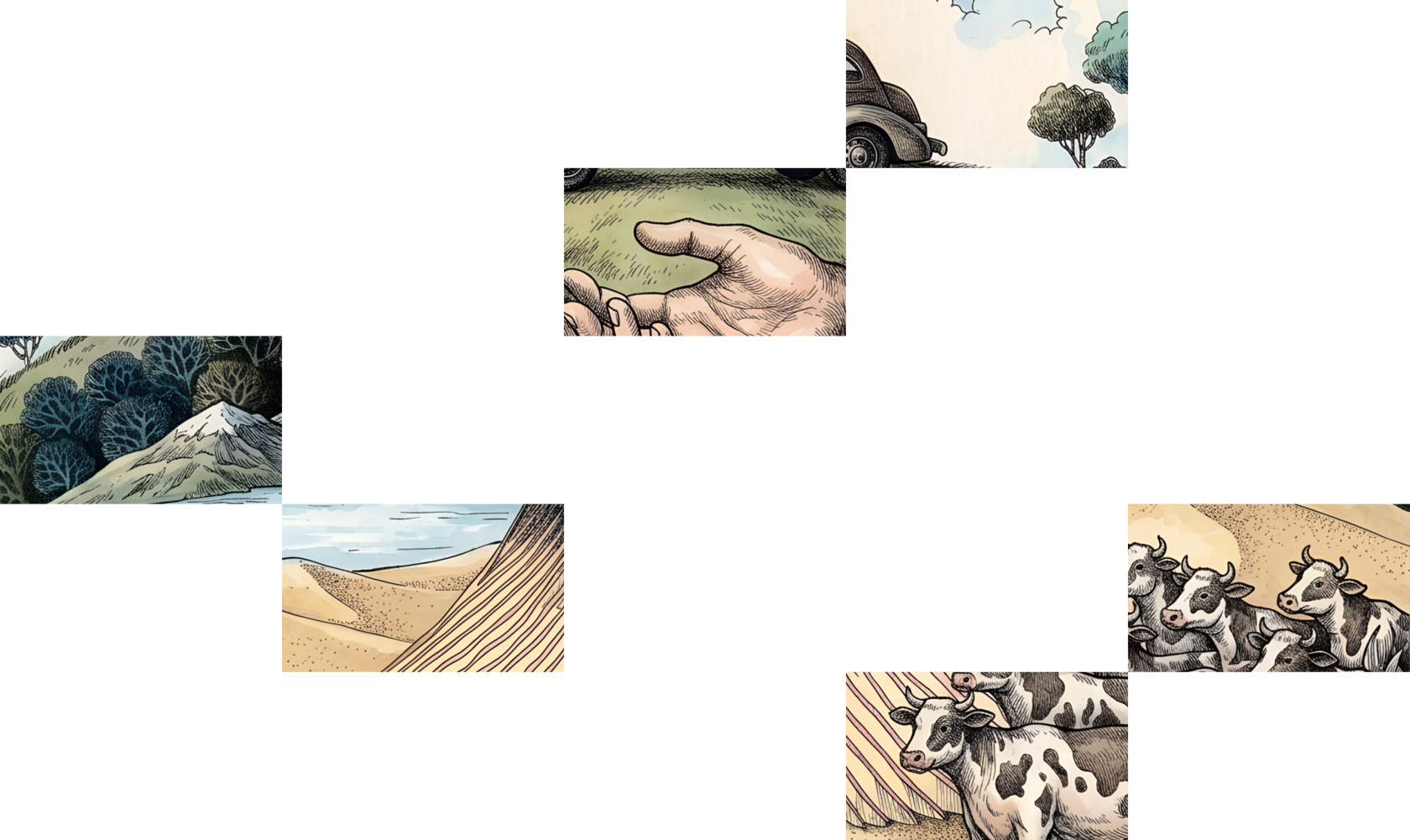
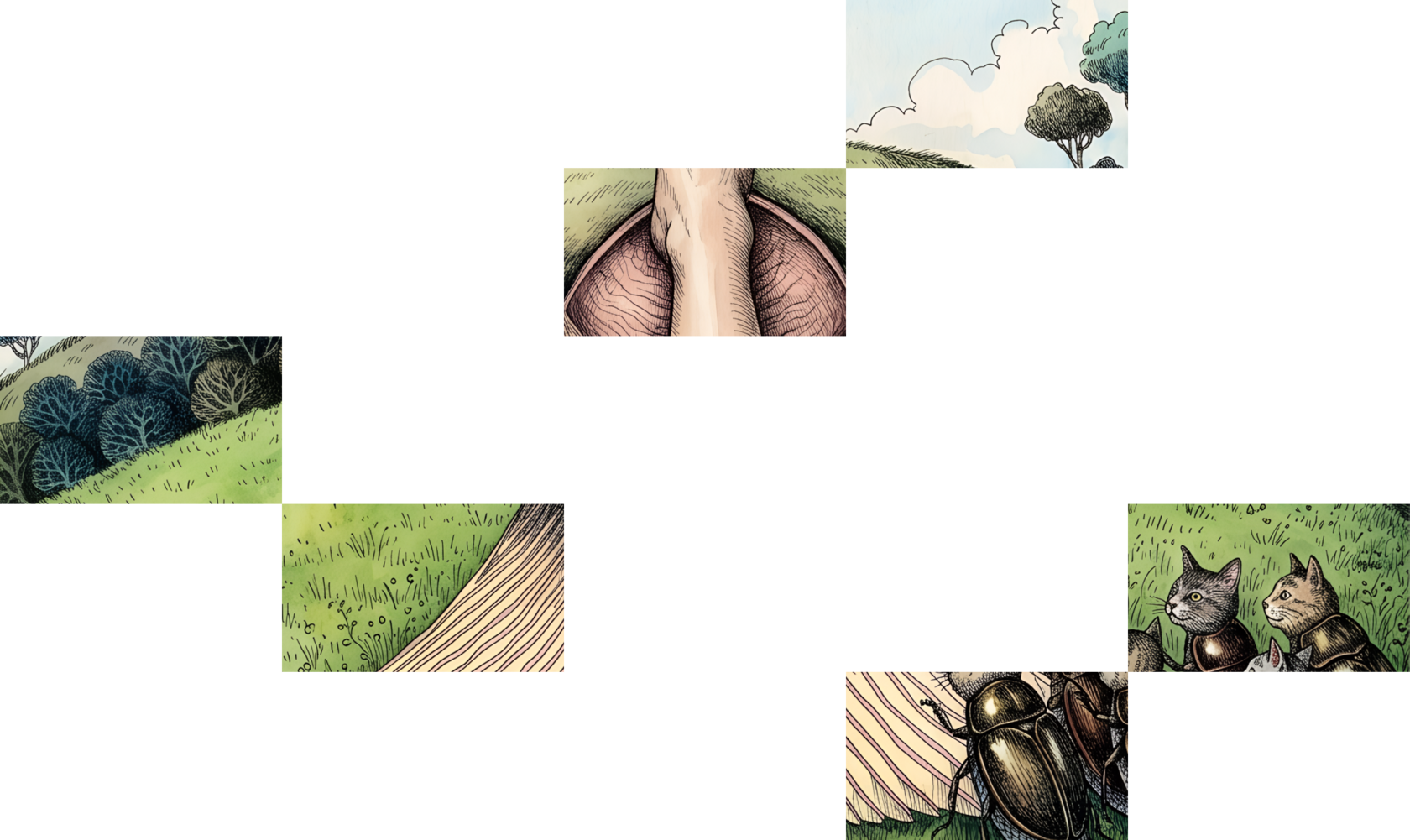
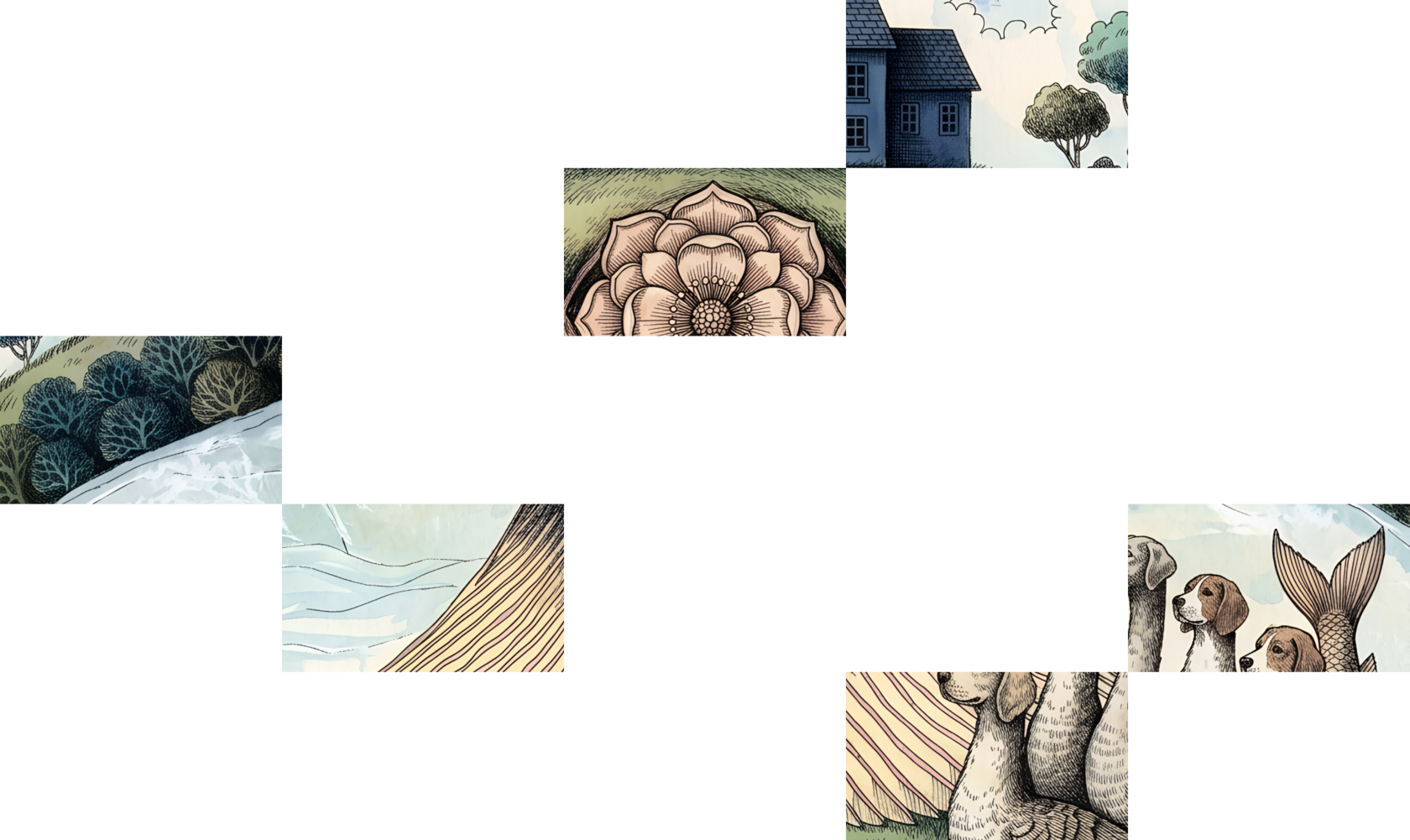
Nothing is broken. It's being built
It’s not a malfunction
This is assembly
This is assembly
↳ There are no empty places in the field of view: where information is missing, the most likely version appears. That's why optical illusions work even with healthy eyes.
Vision→began with sensitivity to light ⚉
First came light, and only then the eye
Where vision is no longer needed, eyes disappear. In caves, on the ocean floor, underground
The reverse path
The way back
6
Lens eye
A transparent lens covers the opening, and the picture becomes sharp
A lens takes shape
5
Camera obscura
The pit narrows almost to a point, leaving a tiny opening. Passing through it, light forms something like a picture for the first time. Blurry and dim, but made of shapes now, not spots
A dark chamber
4
The patch folds in half and a pit appears. With it comes a sense of where the light is coming from
A cupped eye
Pit eye
3
Eye spot
Cells gather together. There is no vision yet, but there is light and dark. For a creature that once could tell nothing apart, this is already a whole new world
A light-sensing patch
2
Pigment cell
A single pigmented cell
1
Pigment appears inside a single cell. This small shift is enough to tell, for the first time: here is light, and here is not
↳ Some vertebrates have a pineal complex whose structures can sense light directlyю
The third eye became ▫︎
a symbol of what lies beyond sight
a symbol of what lies beyond sight
Humans have kept a related structure — the pineal gland. It lies deep inside the brain and helps regulate circadian rhythms, including through the production of melatonin. Light affects this system through the retina.
↳ choose your vision
↳ Hence the image: an organ tied to light, yet lying beyond ordinary sight. Across cultures, it was credited with the power to see the hidden and sense what two ordinary eyes cannot. Between an organ that senses light and the image of an eye that sees more than a human, there is still room for myth.
And all that's left is a quiet sense: I see
In the end, there
is only one simple feeling:
I can see it
is only one simple feeling:
I can see it
↳ It all happens so naturally that the process itself is almost impossible to notice.
We think of ⚆ vision as seeing a finished world
It feels as if we simply look at a world that is already there. But between light and perception lie a dozen stages, and at each one something is added, discarded or interpreted.
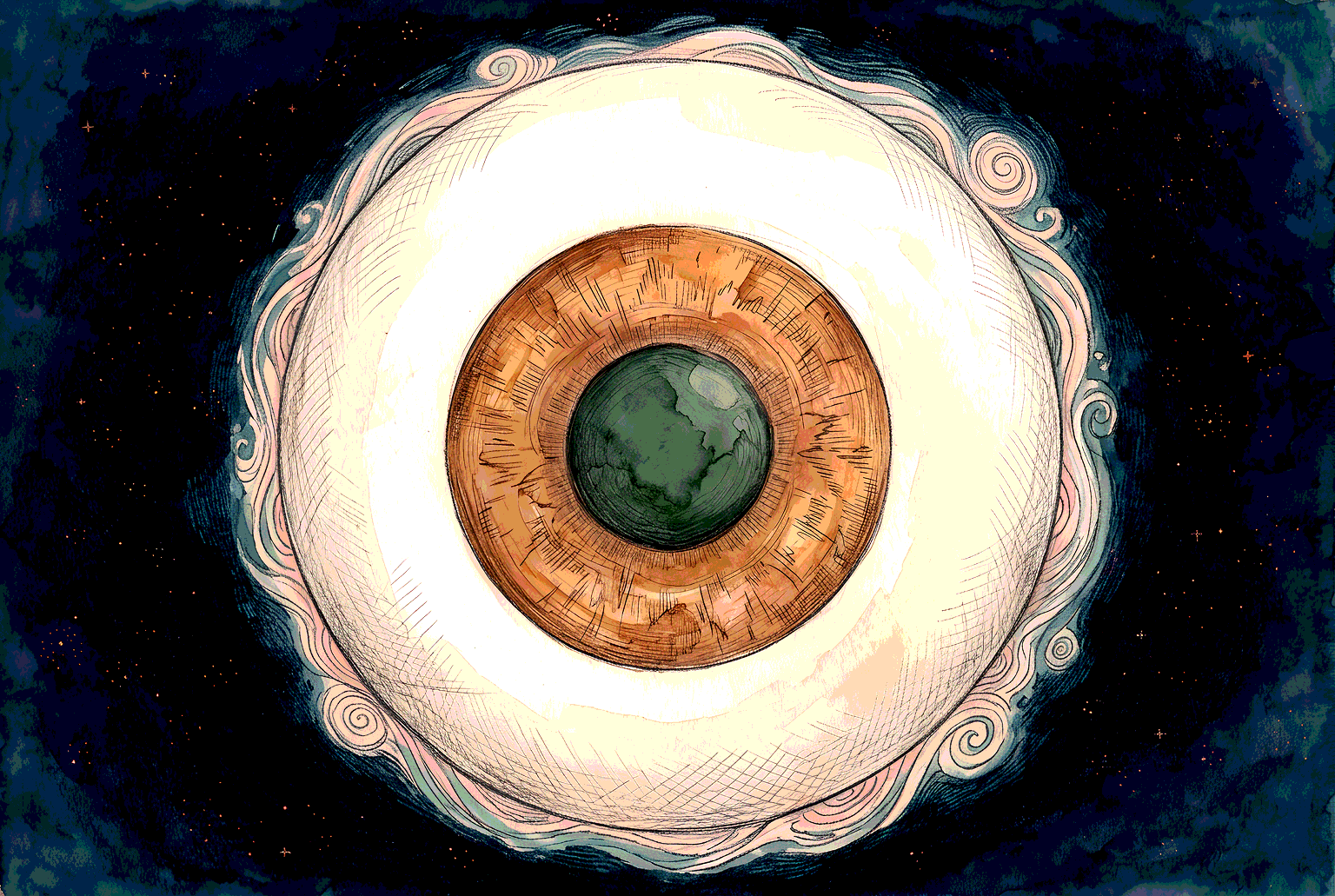
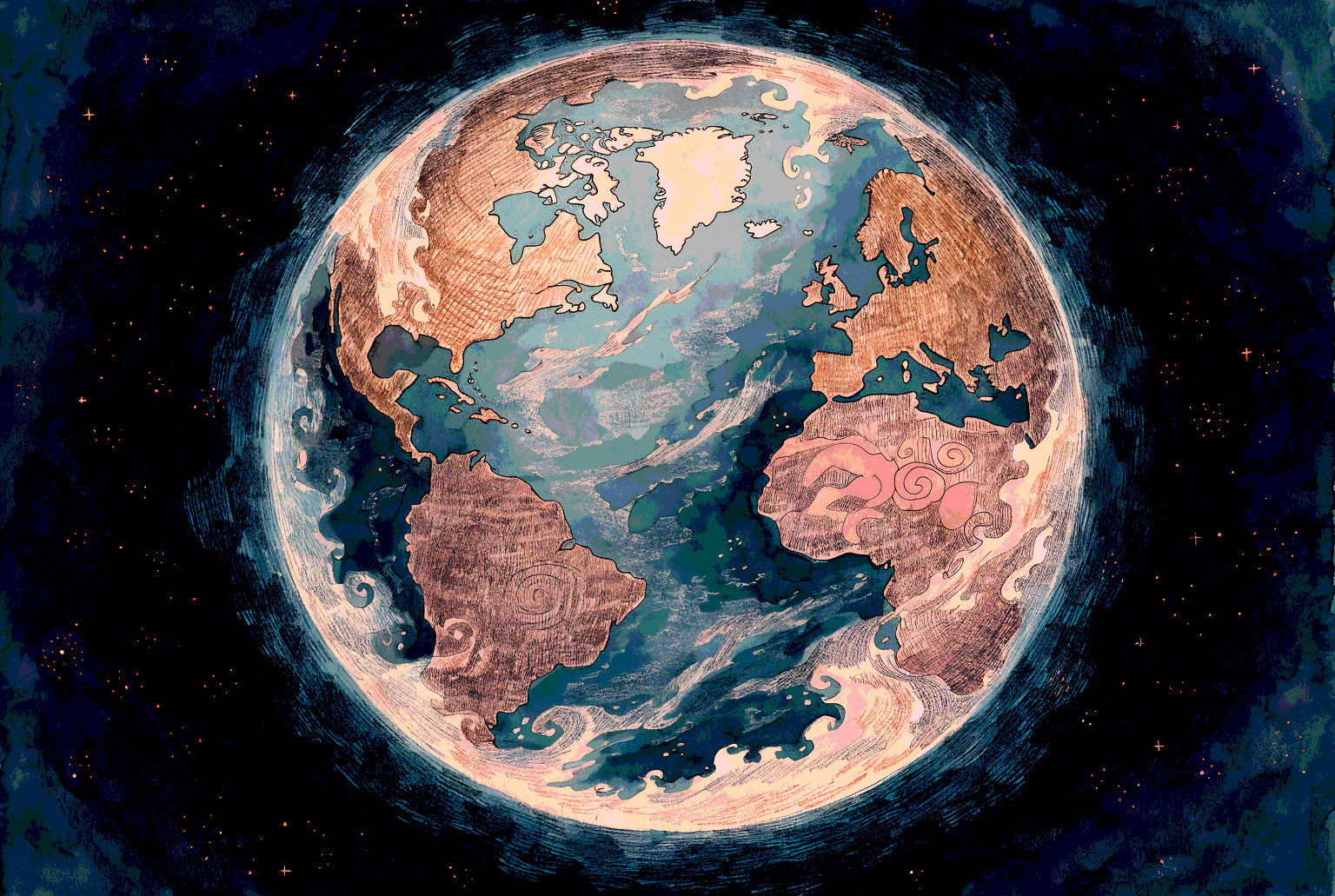
Eye See You
But vision has never been a simple look at the world
Eye See You
Видеть — значит быть слепым определённым образом
E
S
Y
My blog
In obsession with eyes
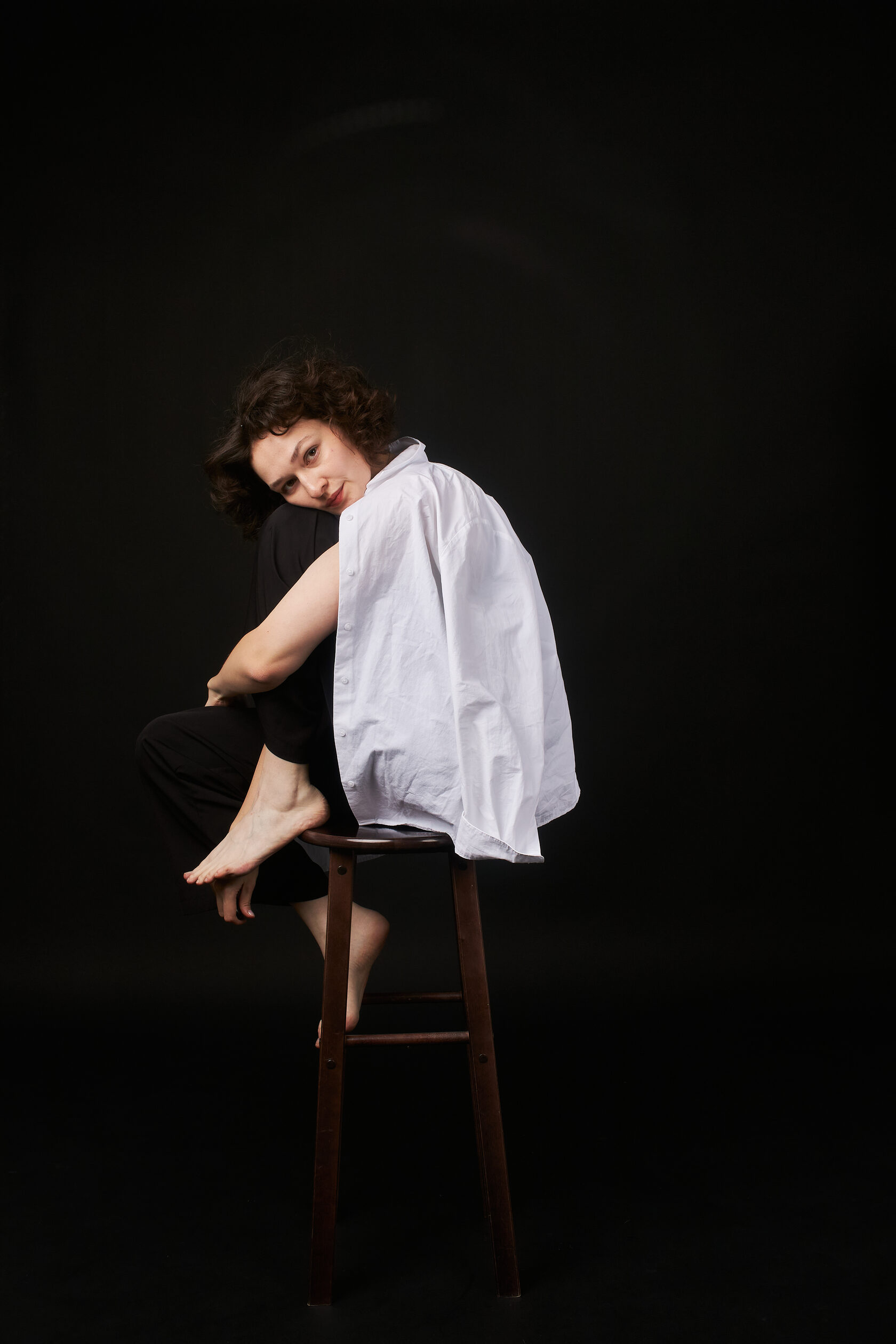
by Anna Vashanova
by Anna Vashanova
Eye See You is a creative project made as part of a mentorship program on Anna Khodarkovskaya’s course
Text me in telegram
My site